Handloom Bridge India Australia UNSW

India × Australia × UNSW

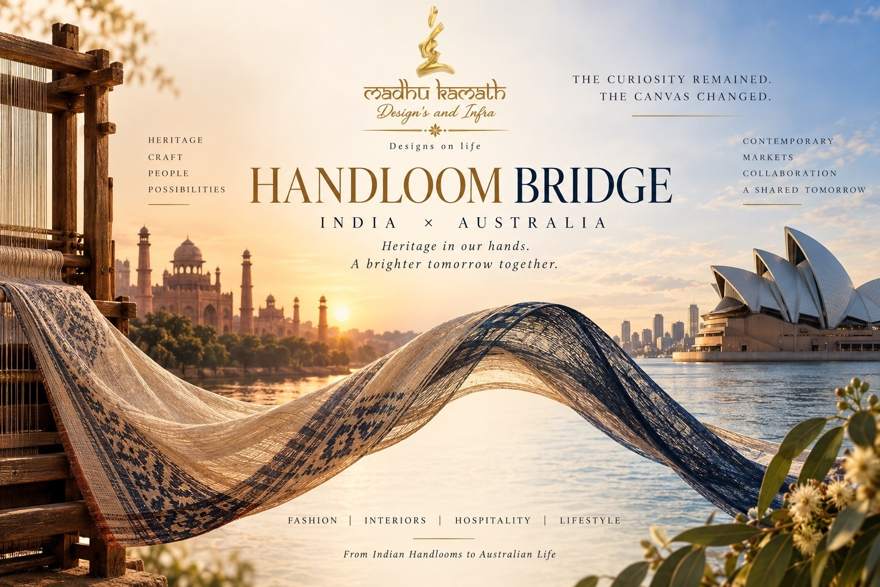
THE HANDLOOM BRIDGE · Indian handloom, interpreted for contemporary Australian life.

01 / 42
Designs on life
HANDLOOM BRIDGE × UNSW

What could UNSW designers do with the material and making capabilities of Indian handloom?

INDIA × AUSTRALIA · MATERIAL × DESIGN × POSSIBILITY

02 / 42
Madhu Kamath
The proposition
A material resource

India brings the material. UNSW brings the questions.
• Indian partners bring weaving, dyeing, printing, embroidery, finishing and production capability. • UNSW brings design thinking, research, experimentation and contemporary Australian context. • Handloom Bridge connects the two so ideas can move from material to prototype.
Handloom Bridge · India × Australia × UNSW
Madhu Kamath · Designs on Life
03 / 42
01
Section one

whyHandloom

The material, and what it carries.
Handloom Bridge · India × Australia × UNSW
Madhu Kamath · Designs on Life
04 / 42
Madhu Kamath
Why handloom
Why handloom

A living production system, not a heritage artefact.
• Cloth made on a hand loom, carrying its fibre, weave, region and technique in the material itself. • Low-energy at the loom and knowledge-intensive: the intelligence sits with the maker, not the machine. • Irregularity is evidence of the hand, not a defect to be engineered out. • A repertoire wide enough for fashion, interiors and objects, if it is designed for rather than reproduced.
Handloom Bridge · India × Australia × UNSW
Madhu Kamath · Designs on Life
05 / 42
Madhu Kamath
Why handloom
Essence and adaptation

Keep the essence. Adapt everything else.

• Preserve the weave, the hand, the provenance, the technique and the knowledge behind it. • Adapt colour, scale, silhouette, application, styling, fit, performance and care. • Western structure, Indian intelligence. • The original textile DNA stays recognisable, whatever the cloth becomes.
Handloom Bridge · India × Australia × UNSW
Madhu Kamath · Designs on Life
07 / 42
Madhu Kamath
Why handloom
The starting point

Put the material in designers’ hands.

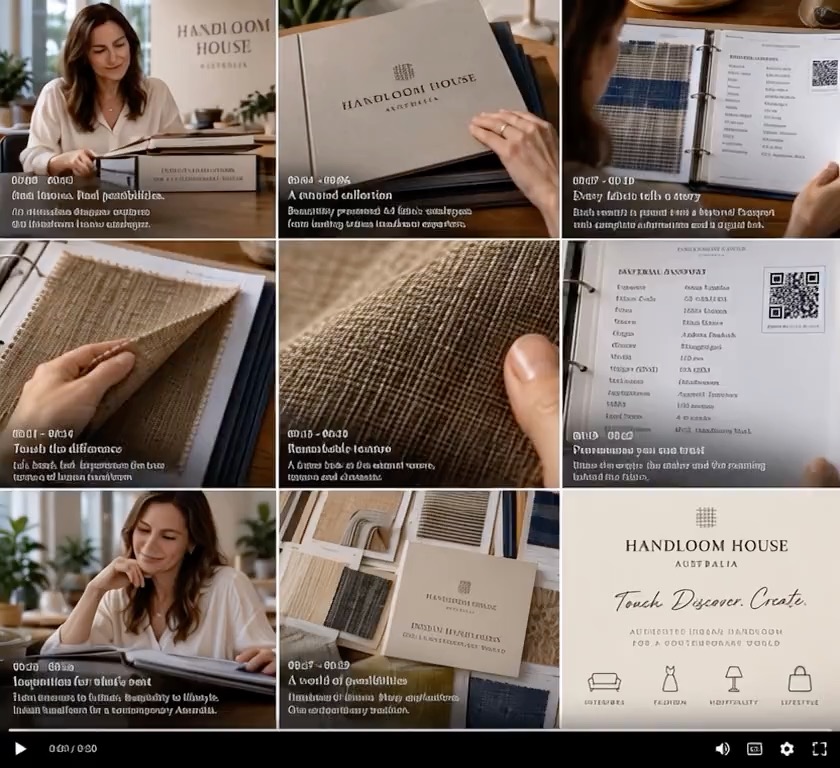
• A tightly curated set of handloom fabrics, not a catalogue of products. • Each fabric arrives with fibre, weave, origin, technique and making context. • Designers are free to question, cut, combine, reshape and reinterpret it.
Handloom Bridge · India × Australia × UNSW
Madhu Kamath · Designs on Life
08 / 42
Madhu Kamath
Why handloom
Responsible material futures

A useful field for research and experimentation.

• Handloom production is low-energy at the loom and knowledge-intensive. • Longevity, repair, traceability and material literacy can be designed in from the start. • UNSW can test the claims, constraints and opportunities rather than treating sustainability as decoration.
Handloom Bridge · India × Australia × UNSW
Madhu Kamath · Designs on Life
11 / 42
Madhu Kamath
Why handloom
Indian capability

The back end is there when an idea needs to become real.

• Material sourcing and weaving knowledge. • Sampling and adaptation with Indian makers and producers. • Dye, print, embroidery, finishing and construction capability. • Small prototypes first; production only when an idea proves itself.
Handloom Bridge · India × Australia × UNSW
Madhu Kamath · Designs on Life
12 / 42
02
Section two

whyAustralia

Where this cloth already belongs.
Handloom Bridge · India × Australia × UNSW
Madhu Kamath · Designs on Life
13 / 42
Madhu Kamath
Why Australia
Why Australia

Cloth that already suits the way Australia lives.

• Handwoven cotton, linen and silk breathe: comfort in a climate that is warm and bright most of the year. • Beauty that is woven rather than printed, a kaleidoscope of weave, stripe, check and colour instead of a single look. • Low-energy at the loom, natural fibres, and dye traditions older than synthetic chemistry. • Made to be repaired and kept rather than replaced. • An industry largely worked by women, where the skill and the livelihood sit in the same hands.
Handloom Bridge · India × Australia × UNSW
Madhu Kamath · Designs on Life
14 / 42
03
Section three

whyUNSW

A place to ask the questions.
Handloom Bridge · India × Australia × UNSW
Madhu Kamath · Designs on Life
15 / 42
Madhu Kamath
Why UNSW
Why UNSW

A design environment where material can become possibility.
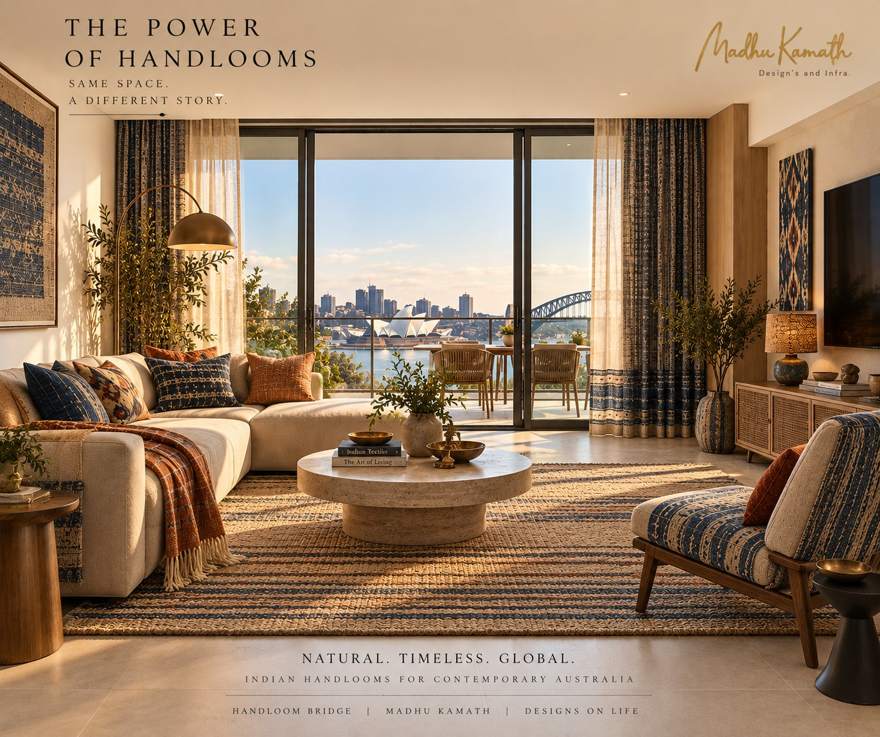
• Fashion and textile design. • Interior and spatial applications. • Object, furniture and product thinking. • Material research, provenance and responsible design. • Student experimentation across disciplines.
Handloom Bridge · India × Australia × UNSW
Madhu Kamath · Designs on Life
16 / 42
Madhu Kamath
Why UNSW
Student interface

Give students something real to push against.

• A material with history, limitations and irregularity. • A production ecosystem they can question directly. • A brief grounded in Australian use rather than heritage reproduction. • A prototype that can be made, reviewed and improved.
Handloom Bridge · India × Australia × UNSW
Madhu Kamath · Designs on Life
17 / 42
Madhu Kamath
Why UNSW
What UNSW gains

A live international material and making interface.
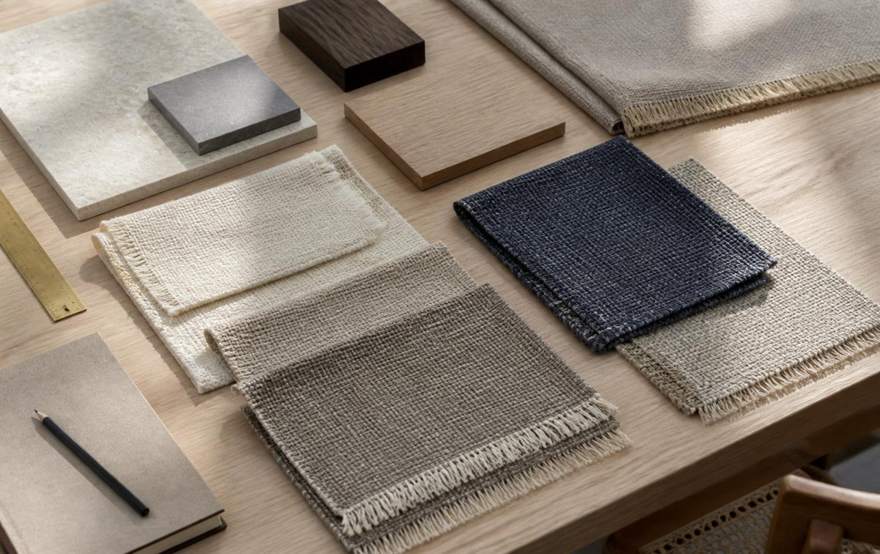
• Direct access to Indian handloom capability and provenance. • Real materials and production constraints for teaching and research. • Cross-cultural, interdisciplinary design briefs with tangible outcomes. • A route from studio exploration to technically informed prototypes.
Handloom Bridge · India × Australia × UNSW
Madhu Kamath · Designs on Life
18 / 42
04
Section four

whyHEPC

Capability at the Indian end.
Handloom Bridge · India × Australia × UNSW
Madhu Kamath · Designs on Life
19 / 42
Madhu Kamath
Why HEPC
HEPC + Handloom Bridge

A bridge needs capability at both ends.

UNSW brings designers, students, researchers and the questions.

HEPC provides an institutional route into India’s handloom ecosystem and appropriate technical / production capability.

Handloom Bridge translates between the two — shaping briefs, matching capability, coordinating prototypes and bringing the learning back.
Not a sales channel. A working design interface.
Handloom Bridge · India × Australia × UNSW
Madhu Kamath · Designs on Life
20 / 42
Madhu Kamath
Why HEPC
A three-partner structure

UNSW explores. HEPC connects capability. Handloom Bridge translates.
• UNSW leads its academic, student, research and design participation. • HEPC connects the programme to appropriate Indian handloom and production capability. • Handloom Bridge curates materials, translates briefs and coordinates the iterative exchange. • Authorship, IP and credits are agreed for each project before work begins.
Handloom Bridge · India × Australia × UNSW
Madhu Kamath · Designs on Life
21 / 42
05
Section five

whyMe

Someone to translate between the two.
Handloom Bridge · India × Australia × UNSW
Madhu Kamath · Designs on Life
22 / 42
Handloom Bridge design reference
Madhu Kamath
Why me
Why Madhu Kamath
Madhu Kamath
Designs on life

37 years of turning ideas into things that can actually be made.

“My role is to connect design imagination with the people and capability that can realise it.”

37 years across couture, interiors, real-estate development and entrepreneurship.

I have worked from concept and material selection through design, coordination and execution. Handloom Bridge brings that same cross-disciplinary approach to a new India–Australia design context.

For UNSW: one point of translation between a design question here and the right capability in India.
Handloom Bridge · India × Australia × UNSW
Madhu Kamath · Designs on Life
23 / 42
06
Section six

what it couldBecome

Fashion, interiors, objects and space.
Handloom Bridge · India × Australia × UNSW
Madhu Kamath · Designs on Life
24 / 42
Madhu Kamath
What it could become
Applications studio

One material library. Many disciplines.

• Fashion and textile design. • Interior and spatial design. • Furniture, product and object exploration. • Hospitality and experience design. • Cross-disciplinary teams where the material suggests the collaboration.
Handloom Bridge · India × Australia × UNSW
Madhu Kamath · Designs on Life
26 / 42
Madhu Kamath
What it could become
Fashion

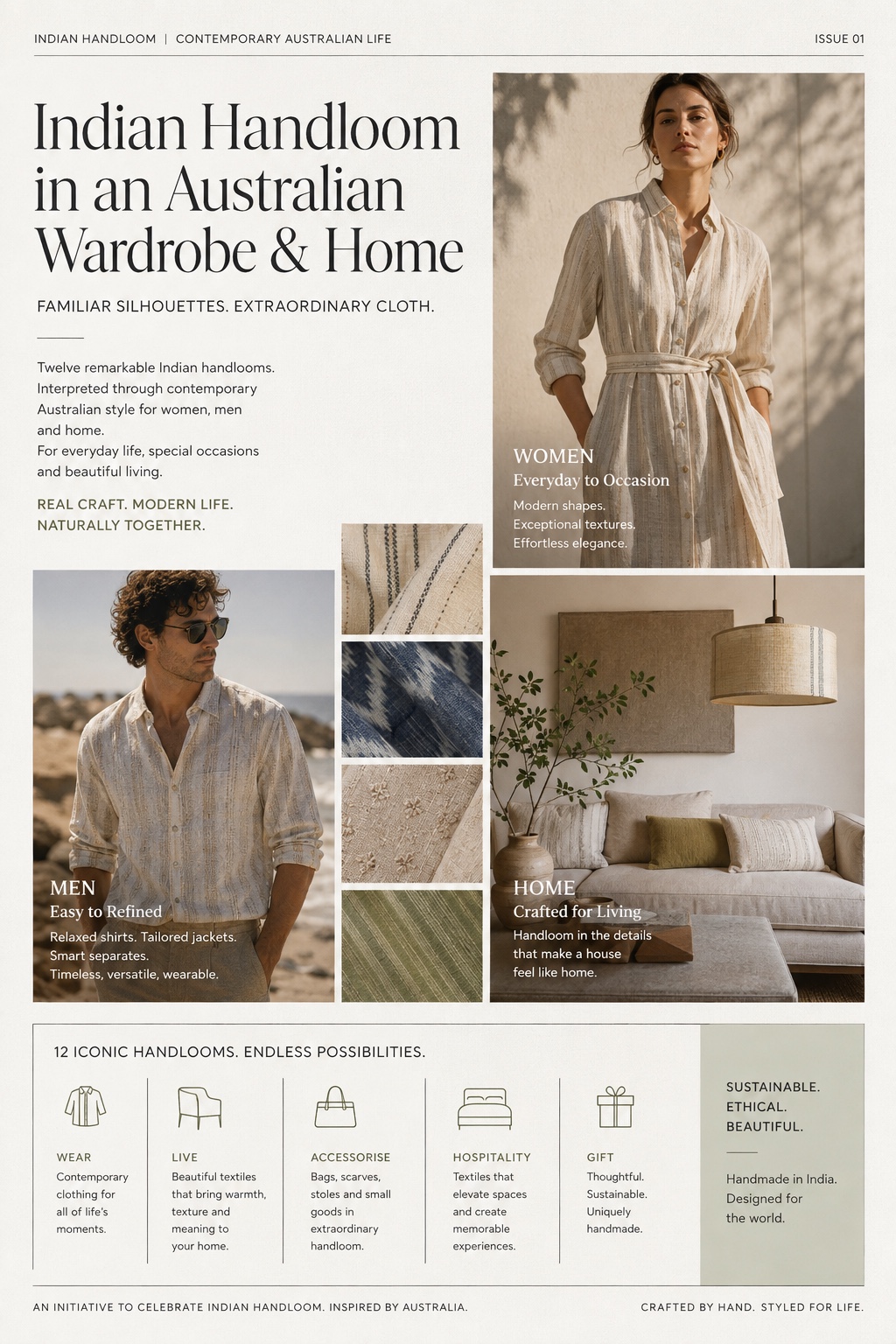
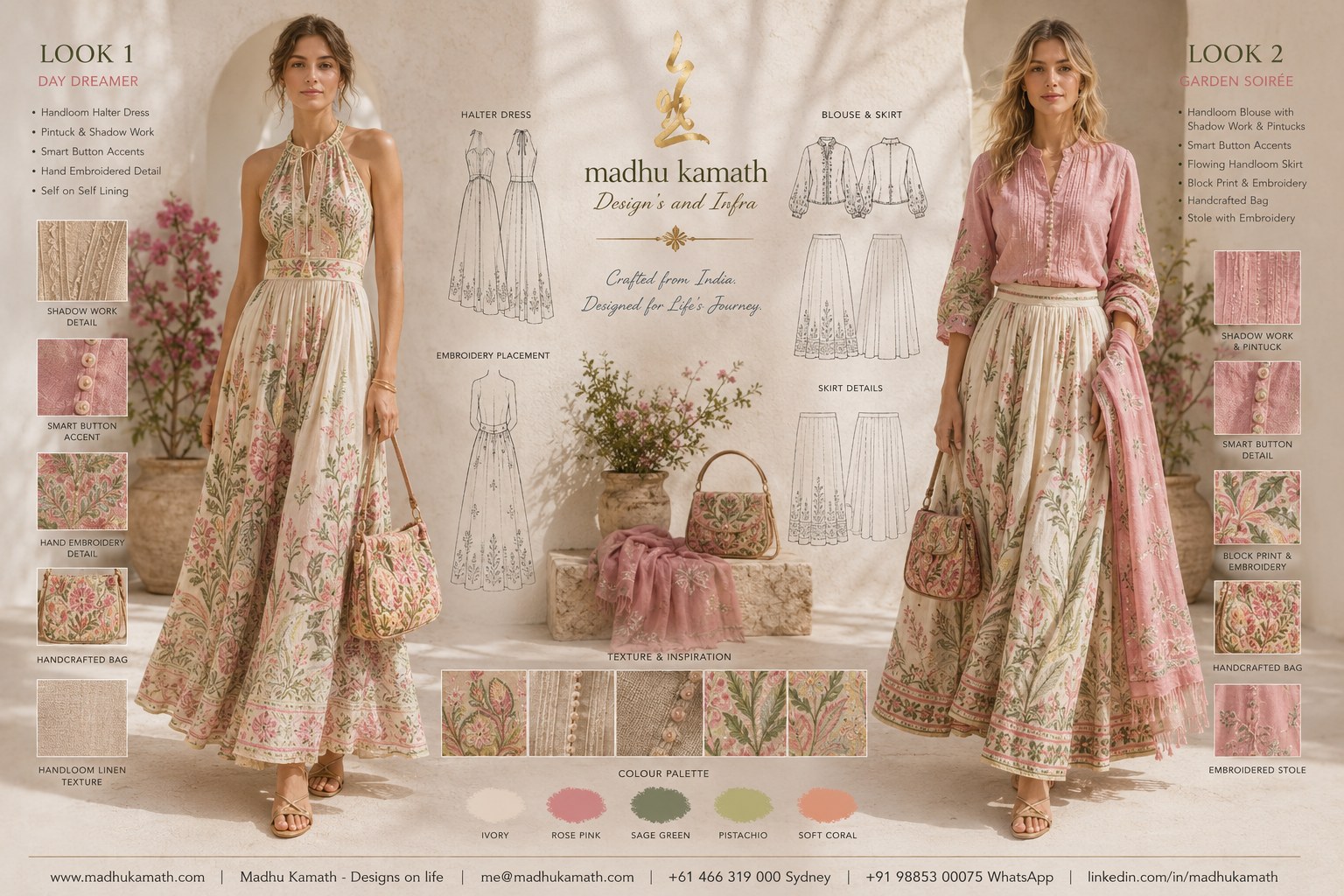
Let the cloth enter an Australian design language.

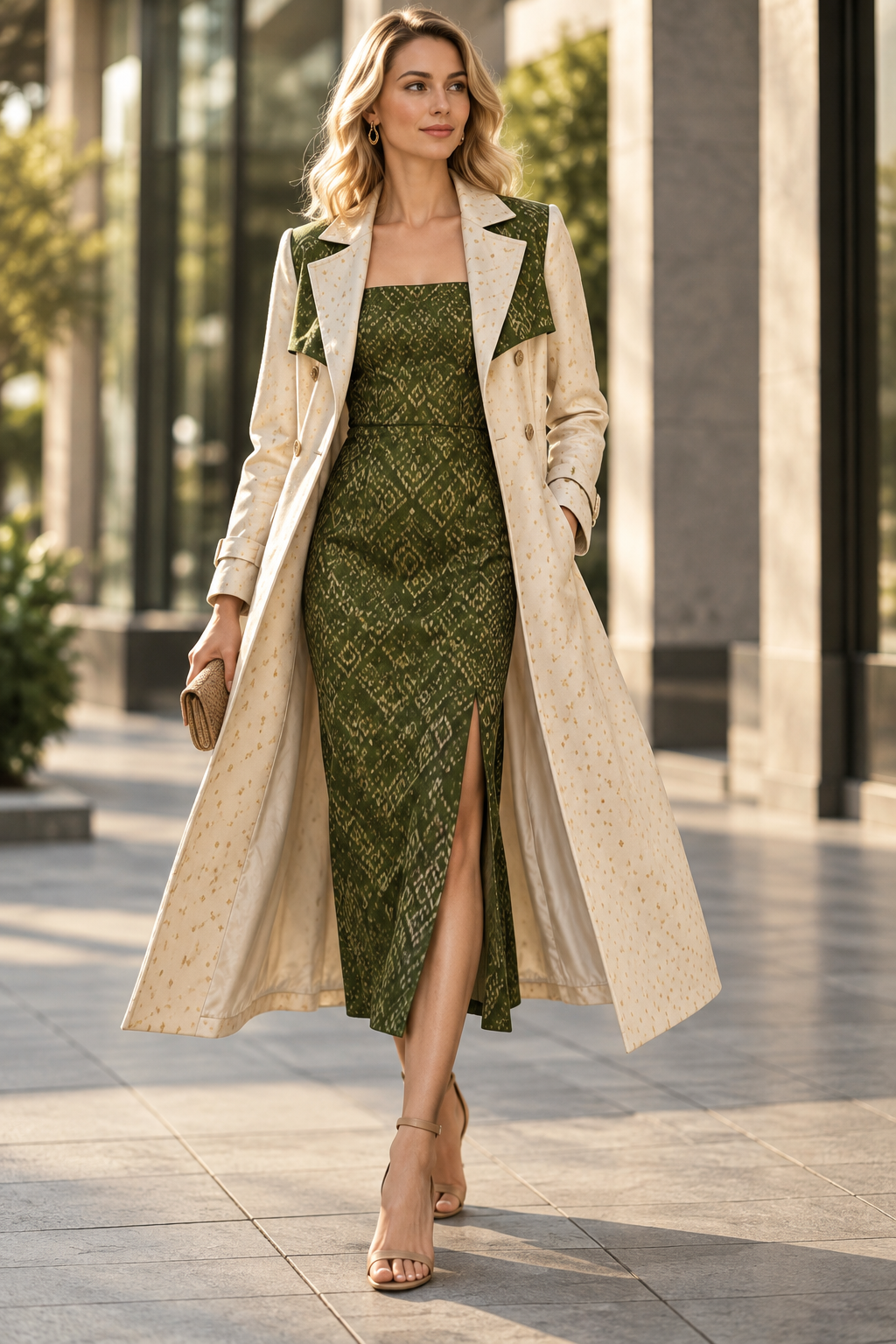
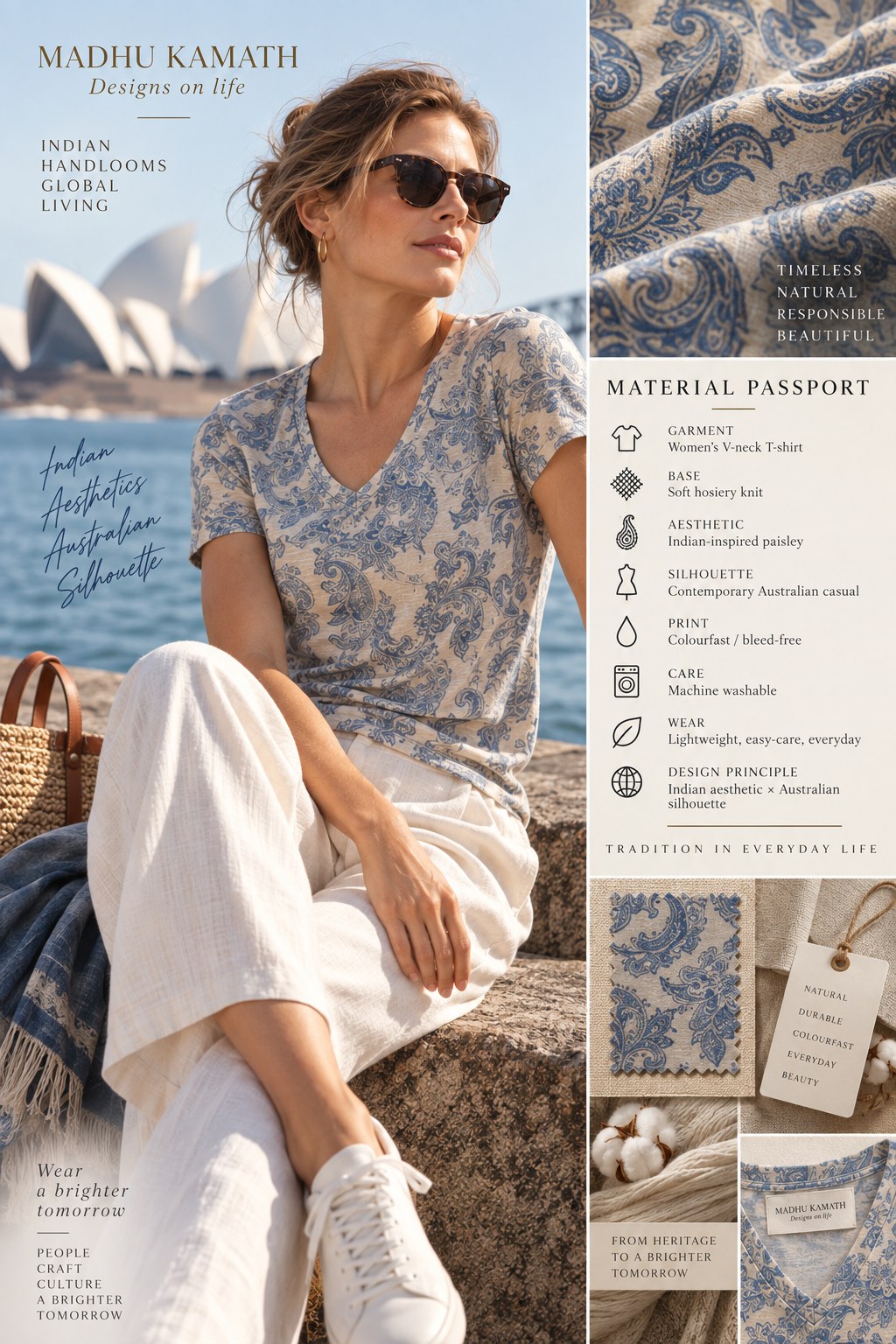
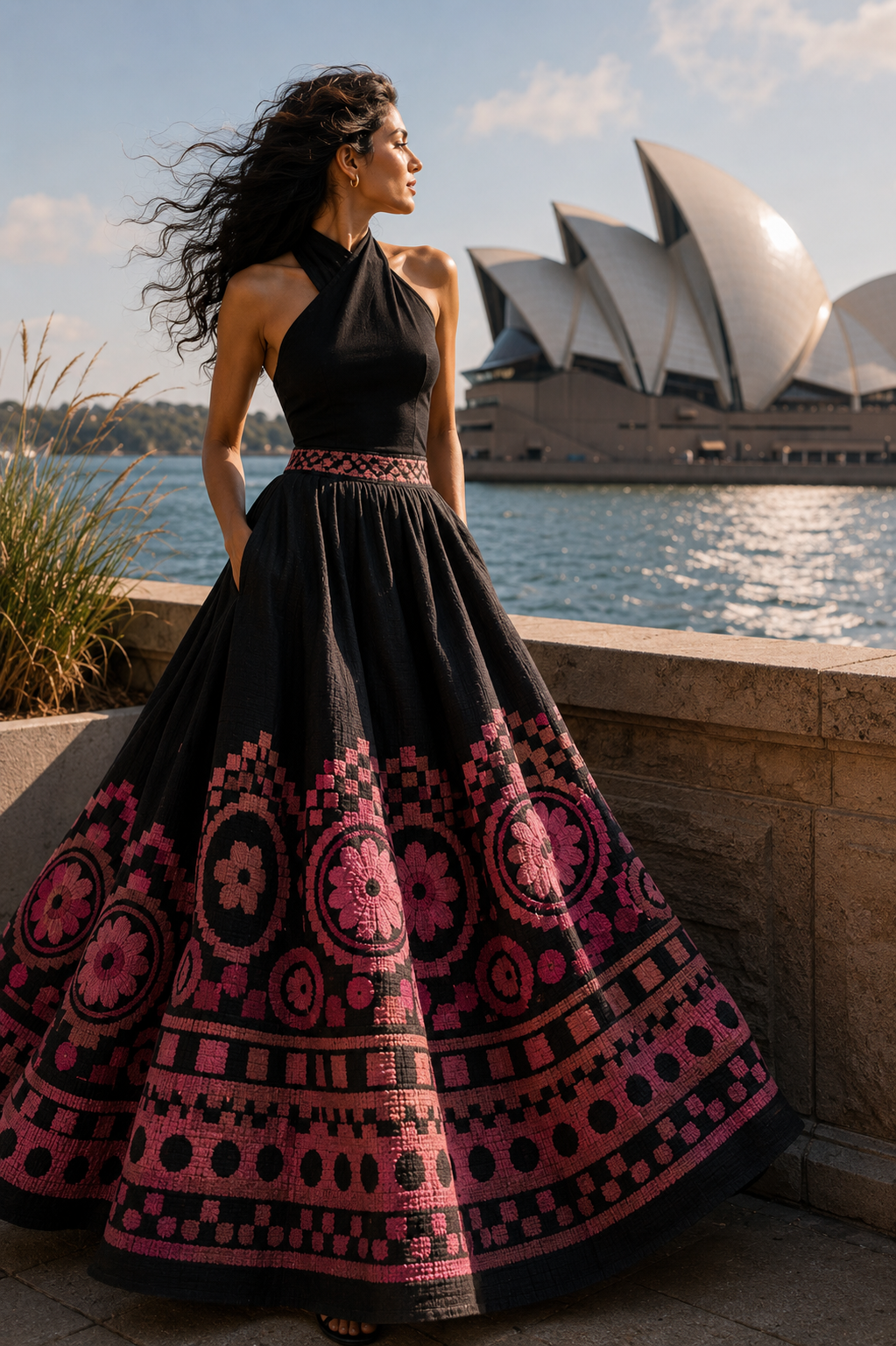
• Western silhouettes, layering and contemporary proportions. • Workwear, occasion, resort and everyday applications. • Use the fabric’s character rather than forcing it to imitate mill cloth. • The designer authors the outcome.
Handloom Bridge · India × Australia × UNSW
Madhu Kamath · Designs on Life
27 / 42
Madhu Kamath
What it could become
Interiors

Move handloom beyond the wardrobe.

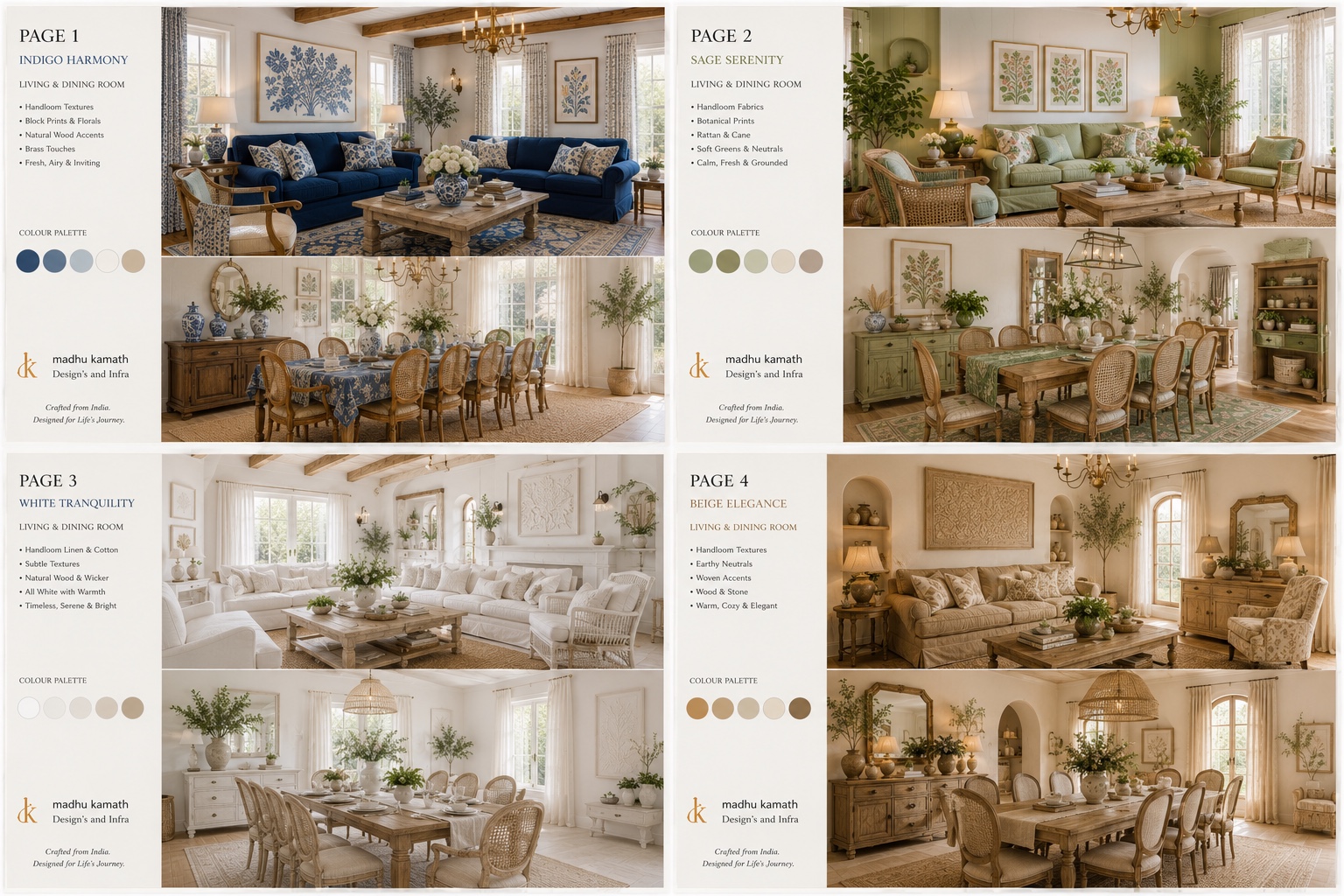
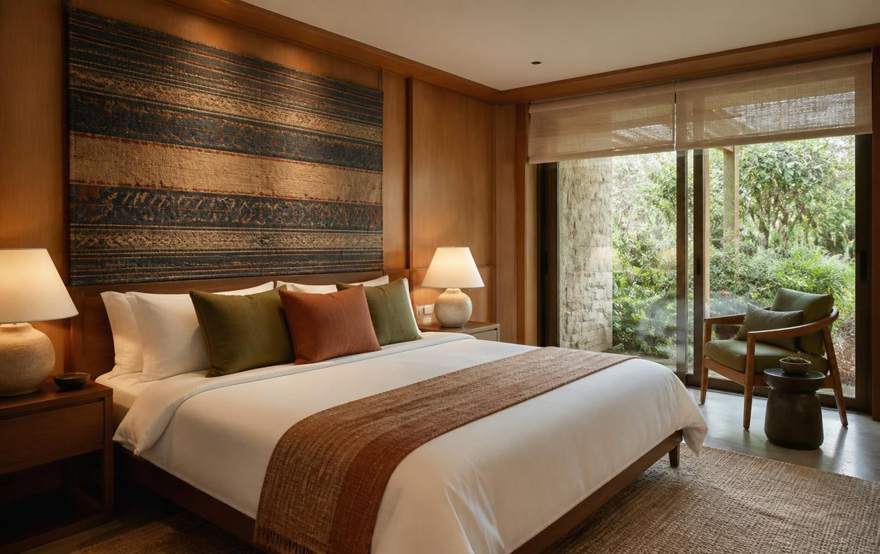
• Upholstery and soft furnishings. • Window, bed and table applications. • Hospitality rooms, dining and amenity textiles. • Material accents that can sit naturally in contemporary Australian interiors.
Handloom Bridge · India × Australia × UNSW
Madhu Kamath · Designs on Life
28 / 42
07
Section seven

how itWorks

The brief, the lab and the exchange.
Handloom Bridge · India × Australia × UNSW
Madhu Kamath · Designs on Life
30 / 42
Madhu Kamath
How it works
UNSW studio model

A live brief, not a theoretical exercise.
• UNSW frames a studio or project around real handloom materials. • Students work with real constraints: hand, width, fall, repeatability, care and performance. • Questions go back to India; material responses return to UNSW. • The learning sits in the exchange.
Handloom Bridge · India × Australia × UNSW
Madhu Kamath · Designs on Life
31 / 42
Madhu Kamath
How it works
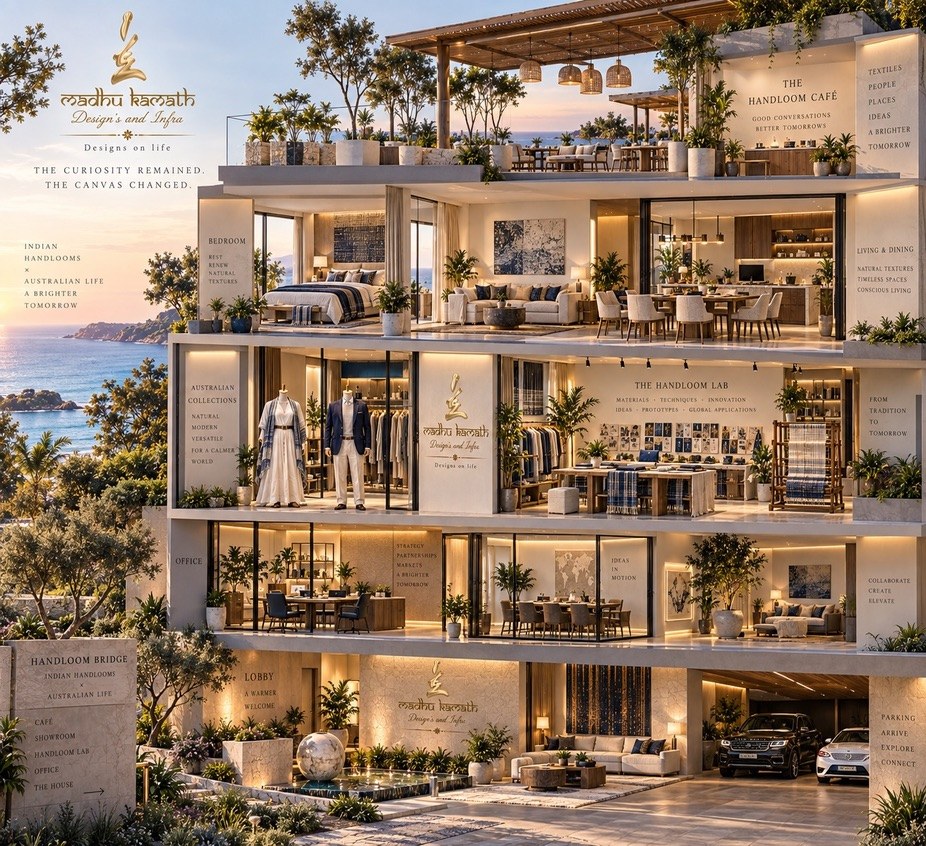
Handloom Lab

A working material room inside the design process.
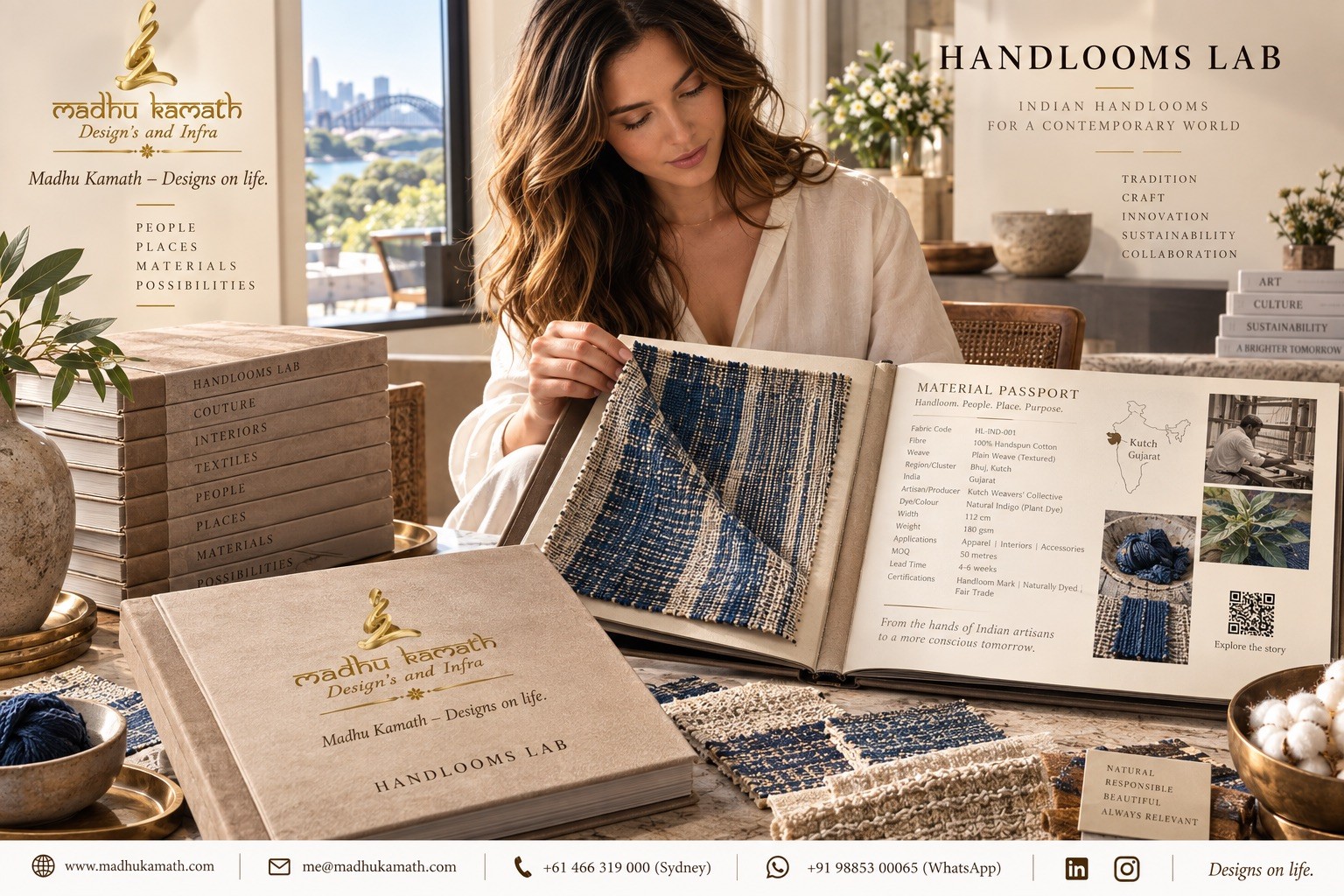
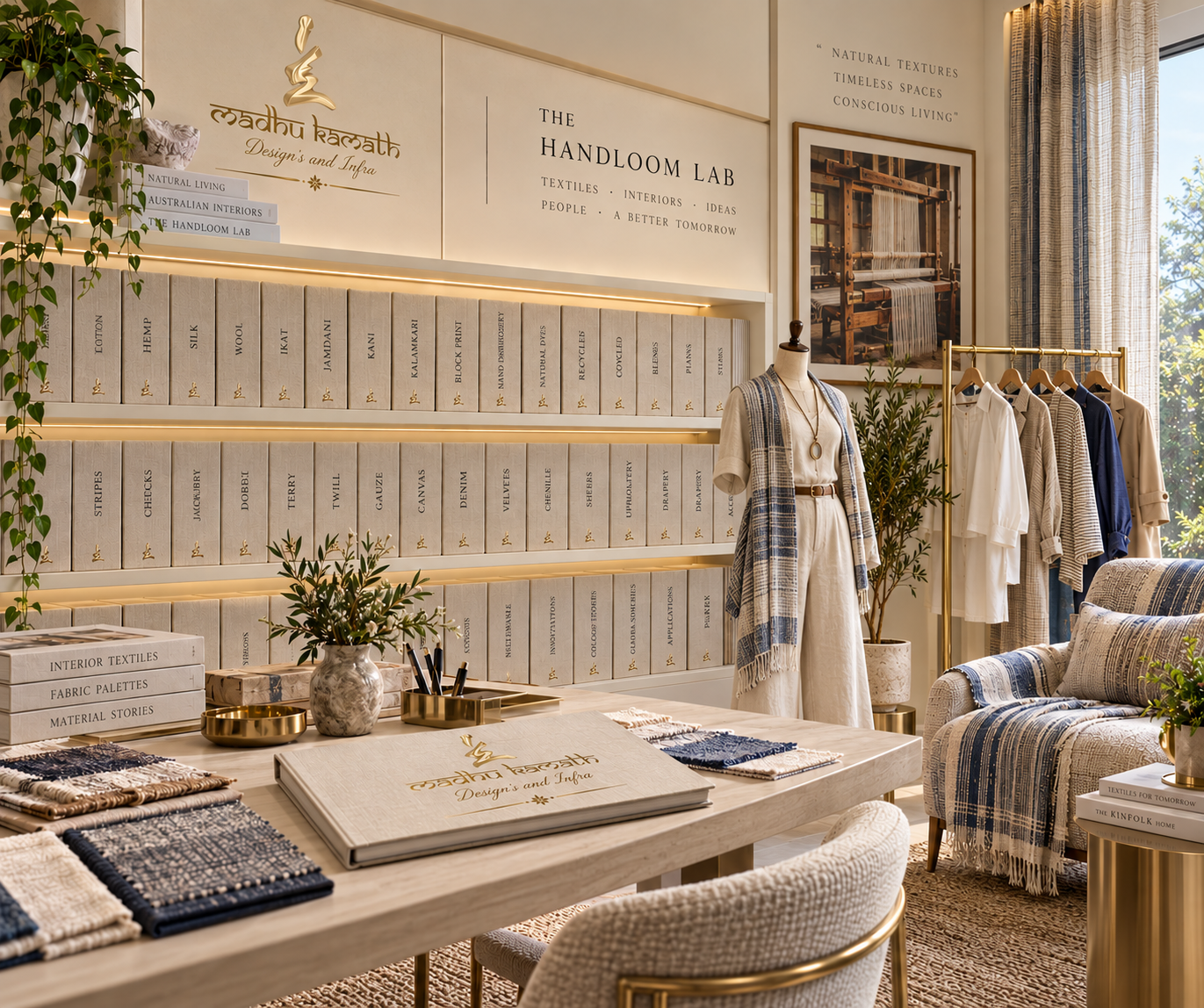
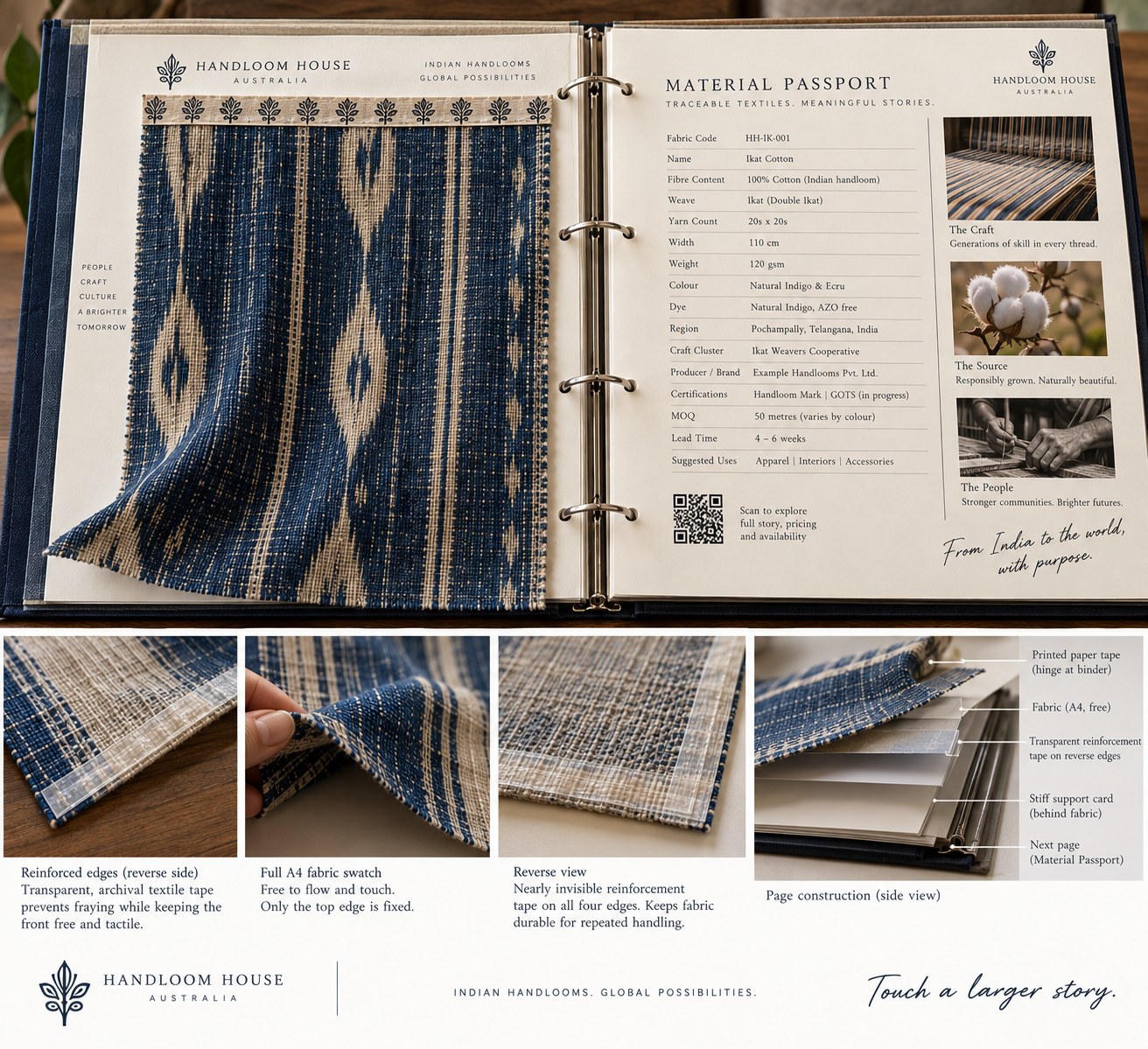
• Swatches, catalogues and material stories that can be touched and compared. • Application samples across fashion, interiors and objects. • A table for cutting, pinning, sketching and testing. • A practical resource, not a museum display.
Handloom Bridge · India × Australia × UNSW
Madhu Kamath · Designs on Life
32 / 42
Madhu Kamath
How it works
Designer programme

Twice the fabric. Two pieces. One kept. One returned.

2× fabric→2 pieces→1 kept+1 returned

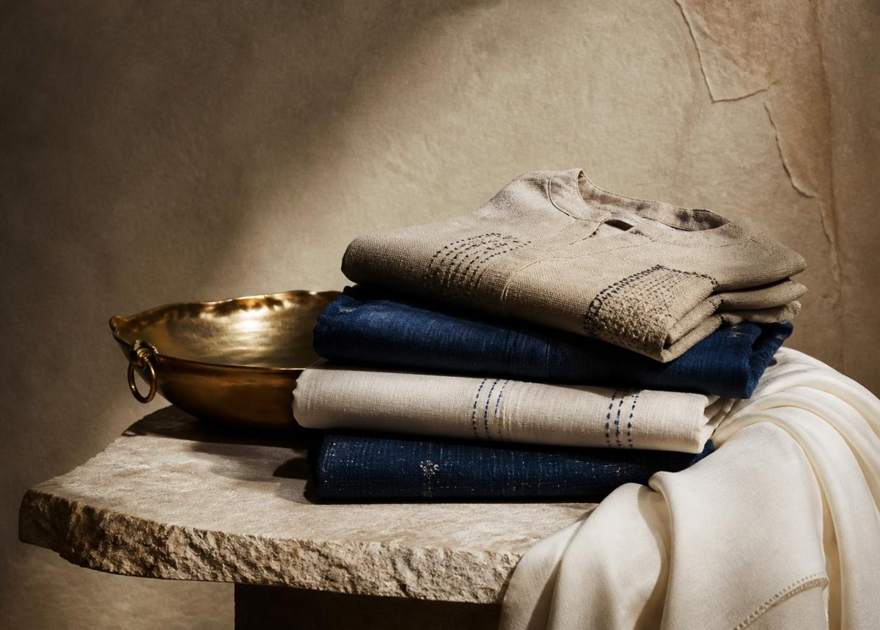
Each selected designer receives twice the fabric required for one resolved design and makes two versions.

One remains with the designer. One returns to the programme, creating a growing physical archive of Australian interpretations of Indian handloom.
Handloom Bridge · India × Australia × UNSW
Madhu Kamath · Designs on Life
33 / 42
Madhu Kamath
How it works
Prototype loop

Design here. Respond there. Test here again.
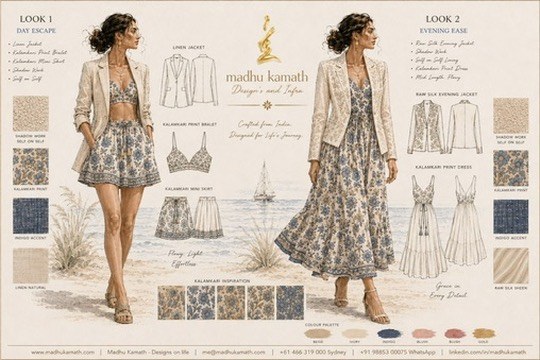
• UNSW develops an idea. • Indian partners respond with material or making solutions. • A prototype returns for critique and use testing. • The next iteration carries what both sides learned.
Handloom Bridge · India × Australia × UNSW
Madhu Kamath · Designs on Life
34 / 42
Madhu Kamath
How it works
How the loop works

Question → material → design → prototype → learning.
• UNSW asks the design question. • India supplies or adapts the material capability. • UNSW interprets it through design. • The prototype is reviewed in the Australian context. • Learning travels back into the next material and design cycle.
Handloom Bridge · India × Australia × UNSW
Madhu Kamath · Designs on Life
35 / 42
08
Section eight

what we couldLearn

Questions the collaboration can generate.
Handloom Bridge · India × Australia × UNSW
Madhu Kamath · Designs on Life
36 / 42
Madhu Kamath
What we could learn
Research possibilities

The collaboration can generate questions as well as objects.
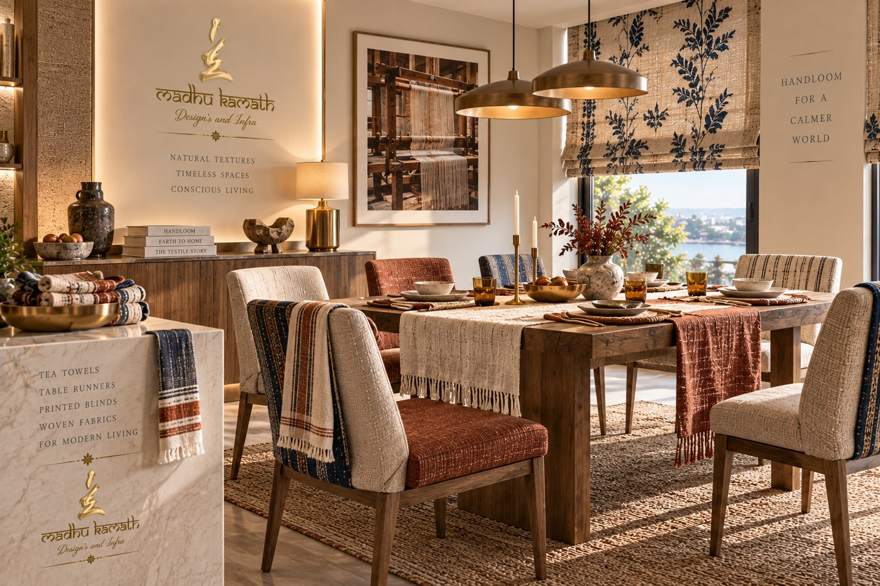
• How do traditional material systems translate across cultures without becoming costume? • How does provenance affect perceived value and use? • What performance adaptations make handloom viable in new applications? • What can designers learn from variability rather than engineering it out?
Handloom Bridge · India × Australia × UNSW
Madhu Kamath · Designs on Life
37 / 42
09
Section nine

what weAsk

One material set. One brief. One experiment.
Handloom Bridge · India × Australia × UNSW
Madhu Kamath · Designs on Life
38 / 42
Madhu Kamath
What we ask
First pilot

Small enough to do properly. Rich enough to learn from.
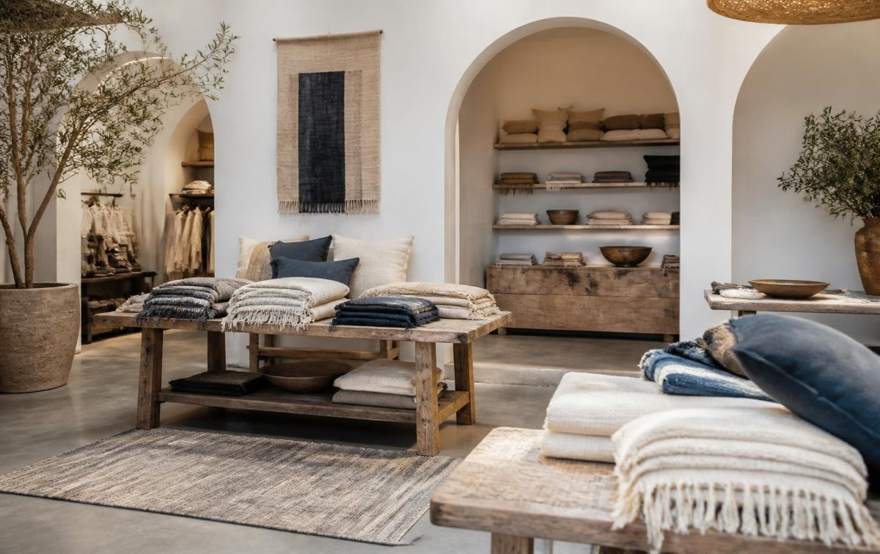
• Curate a focused material set with Material Passports. • Choose one UNSW studio, cohort or small interdisciplinary group. • Set one clear Australian application brief. • Develop and review a limited number of prototypes with Indian technical response.
Handloom Bridge · India × Australia × UNSW
Madhu Kamath · Designs on Life
39 / 42
Madhu Kamath
What we ask
What we would like from UNSW

Help us shape the first experiment.

• Identify the right academic, studio or research home. • Nominate a small group to frame the first brief with us. • Choose one contained pilot that is useful to UNSW. • Define how learning, authorship, research and industry engagement should be captured.
Handloom Bridge · India × Australia × UNSW
Madhu Kamath · Designs on Life
41 / 42
Madhu Kamath
What we ask
An invitation

Let UNSW help define what Indian handloom can become here.

• India brings material knowledge and making capability. • UNSW brings design intelligence, experimentation and research. • Handloom Bridge keeps the conversation moving between them. • Start with one material set, one brief and one serious experiment.
Handloom Bridge · India × Australia × UNSW
Madhu Kamath · Designs on Life
42 / 42